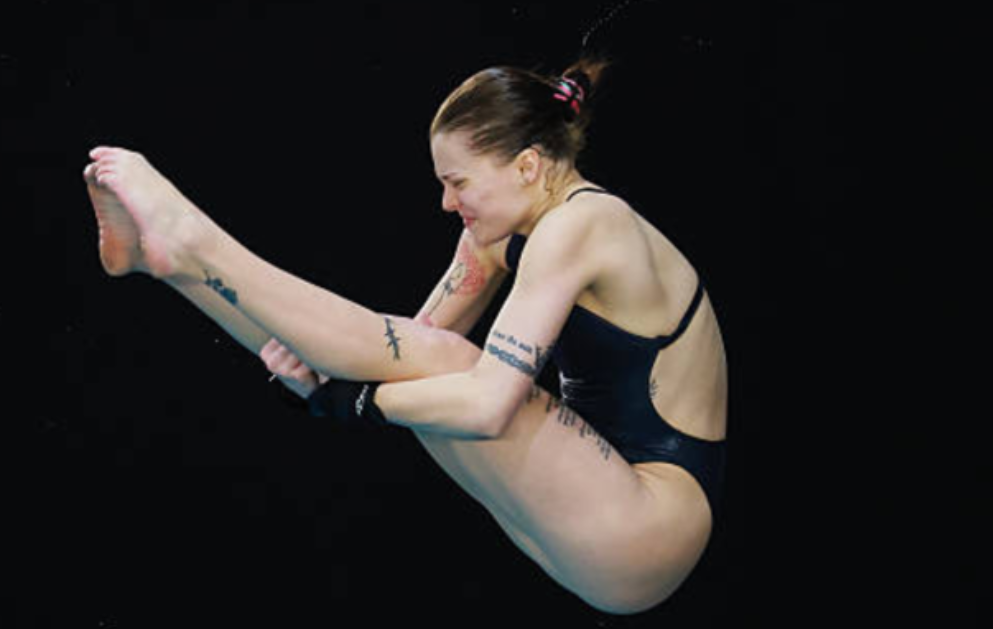

In a dramatic and controversial development, Sofiia Lyskun — once one of Ukraine’s brightest young diving talents — has been stripped of all her national titles by the Ukrainian Diving Federation following her decision to switch allegiances to Russia.
Lyskun, just 23 years old, had represented Ukraine at both the 2020 Tokyo Olympics and the 2024 Paris Olympics, and had built a decorated record in European and world diving events — including a 10-metre synchronized diving gold at the 2024 European Aquatics Championships with partner Kseniia Bailo. Her abrupt decision to embrace Russian citizenship and compete for Russia sent shock waves through the Ukrainian sporting community.
What Lyskun says — and what Ukraine demands
According to Lyskun herself, the switch was motivated by dissatisfaction with her training environment in Ukraine. She told a Russian newspaper (per media reports) that many of her coaches were former gymnasts or trampoline specialists — not diving-trained — and she felt her development had stalled. “I realized I wasn’t growing,” she said.
But from Kyiv’s perspective, the move is viewed as a breach of trust — especially given that she did not inform her coaches, the Federation, or the country’s sports ministry before going public. The Ukrainian Diving Federation called her actions “categorically unacceptable,” arguing that they “discredit not only an individual athlete but the entire Ukrainian team,” which amid ongoing conflict with Russia, has become symbolic of national resilience.
As a result, she was expelled from the national team and stripped of all titles and awards won under the Ukrainian flag. The Federation also announced its intention to appeal to international sports bodies to impose a “sports quarantine” on her — a move that could restrict, or even prevent, her from competing internationally under Russia’s banner for some time.
Why this matters: beyond sport, into identity and geopolitics
On the surface, this is a sports story: a talented athlete changing teams, and consequences following. But given the backdrop — a war between Ukraine and Russia that began in 2022 — the stakes are far more than athletic.
- Symbolic significance: Athletes from Ukraine, especially those competing internationally, have often been seen as representatives of a nation under siege — symbolic of resilience, unity, and national pride. In that context, Lyskun’s switch is perceived by many as a betrayal, not just of her teammates, but of her country.
- Precedent for other athletes: The Federation’s swift and hardline response — stripping titles, expulsion, appeals for international sanctions — reflects a determination to discourage others from following a similar path. It sends a message that athletic success under Ukraine’s flag comes with obligations and responsibilities beyond just performance.
- International sporting complications: Given that athletes from Russia and Belarus faced bans or restrictions after Russia’s 2022 invasion, Lyskun’s transition raises complex questions for international sports bodies about eligibility, neutrality, and whether she should be allowed to compete — especially given the backlash from her native country.
The human side: ambition, disillusionment — and consequences
Lyskun’s own explanations reveal strain and disillusionment. She cited not only lack of proper coaching — “coaches from a completely different field” — but also emotional burnout. She admitted there were moments when she skipped training for weeks, feeling unsupported and psychologically demoralised.